
Prince and the Just Transition: Teaching Workers to Speak the Future
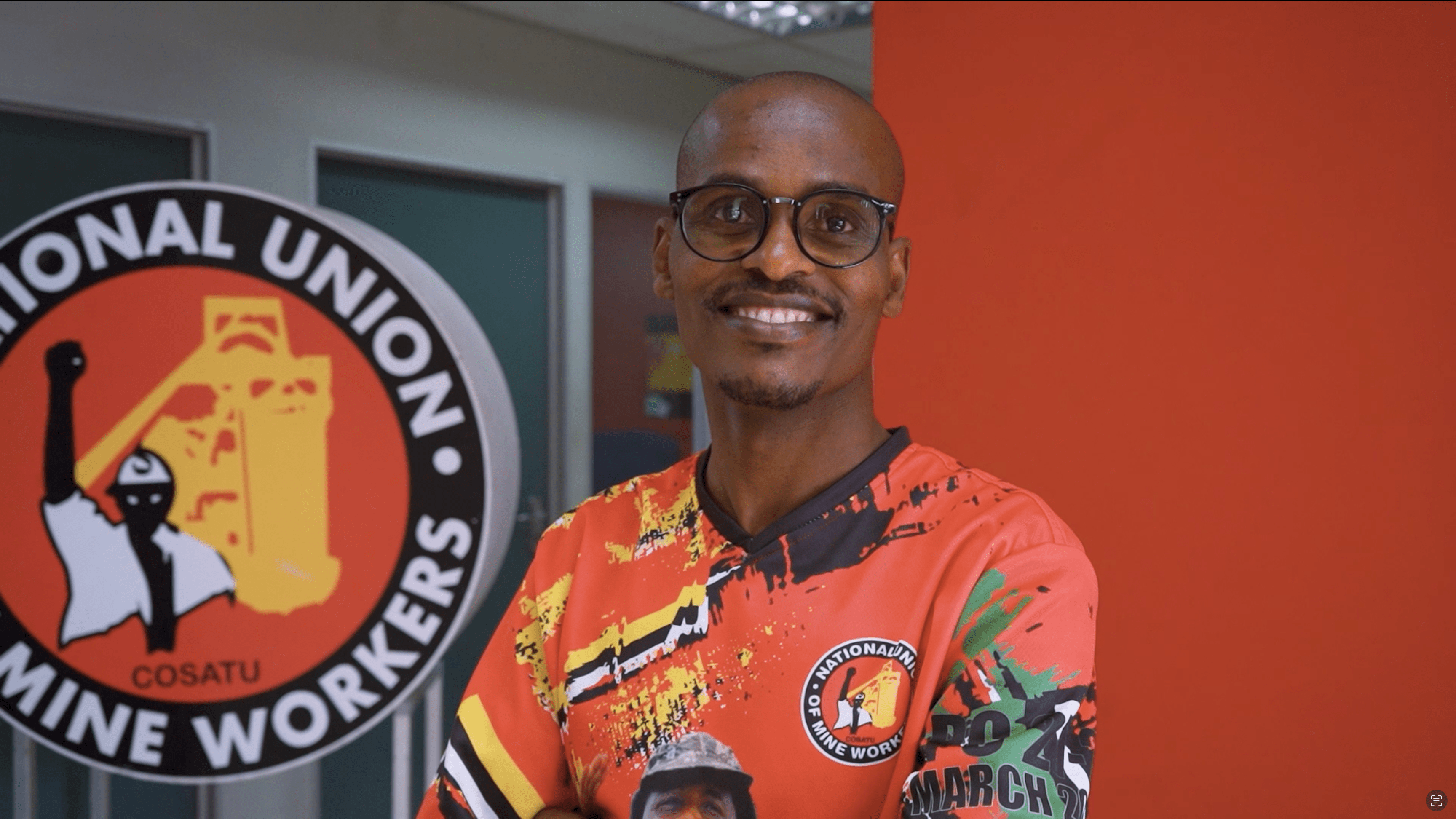
In the coalfields of Mpumalanga, the words “Just Energy Transition” once struck fear into workers’ hearts. “They thought it meant the end of everything,” recalls Prince Nkadimeng of the Sam Tambani Research Institute (SATRI).
But with funding from the Mineworkers Investment Trust (MIT), SATRI joined hands with the University of Leeds to change that. They conducted research, hosted workshops, built understanding, and turned an alien concept into something workers could own. “Now workers debate it, propose alternatives, and demand justice. They aren’t afraid anymore,” Prince explains.
He has carried this story abroad, to Yorkshire, once a coal hub, and to Chatham House in London. There, he stood tall as the voice of South African mineworkers, telling the world, “We are not against transition. We just want it to happen in a way that respects workers’ lives.”
Back home, miners sit in workshops, heads bent over notes, grappling with policies that once excluded them. Prince sees this as MIT’s greatest gift, not just bursaries and training, but knowledge. “In a world that changes fast, workers need knowledge,” he says. “Without it, they are left behind. With it, they can stand tall.”
When Mandla first joined the industry, many of his colleagues could not read or write. Payslips, medical reports and contracts were confusing and intimidating. Adult Basic Education and Training (ABET) changed that. Through ABET classes, mineworkers learned to sign their own names, understand the documents that governed their lives and participate more confidently in union meetings and community decisions.
“Education is a mineworker’s widest dream,” Mandla says. “ABET gave workers dignity.” But ABET was only the beginning. As the NUM leadership worked with MIT to establish the JB Marks Education Trust Fund, a new layer of opportunity opened for mineworkers’ children – access to colleges, universities and professional careers that had once felt out of reach.
Today, Mandla proudly tells the story of families where the parent started out illiterate, and the child became the first graduate – in some cases, going all the way to a PhD. What once seemed impossible for a mining family has slowly become part of a new normal: children of rock drill operators, cleaners and general workers becoming doctors, engineers, teachers, accountants and researchers.
For Mandla, graduation ceremonies are the most emotional part of the journey. He has watched parents travel long distances in their best clothes to sit in university halls they never imagined entering. He has seen the look on a mother’s face when her child’s name is called, and the realisation that years of sacrifice underground have helped unlock a different life above ground.
“One graduate changes the story for a whole family,” he explains. “You can see younger siblings saying, ‘If my sister can do it, so can I.’ Education doesn’t just lift one person – it lifts a household and, over time, a whole community.”
Mandla also understands that this progress is fragile. The Trust relies on contributions and careful management of resources. Economic pressures and rising costs of study threaten to shut the door on many talented young people. That is why he argues that strengthening institutions like MIT and JB Marks is not a luxury – it is an investment in South Africa’s long-term stability and growth.
In mining towns and labour-sending areas, the ripple effect is already visible. Former beneficiaries return as professionals, mentors and role models. Some sit on boards, others teach at universities or run businesses that employ more people. Each success story is a quiet answer to the question of whether mineworkers’ sacrifices have been worth it.
From ABET classrooms on mine property to convocation stages at universities, Mandla has watched education change people’s confidence, language and possibilities. Where once a thumbprint stood in for a signature, now degrees hang on walls. Where once mineworkers felt shut out of decisions, their children now sit at tables where policies, budgets and strategies are shaped.
“With JB Marks, there is light, there is a future,” Mandla says. His story – and the stories of thousands of families like his – is a reminder that when workers organise to invest in education, they are not only changing their own lives. They are rewriting what is possible for the generations that follow.